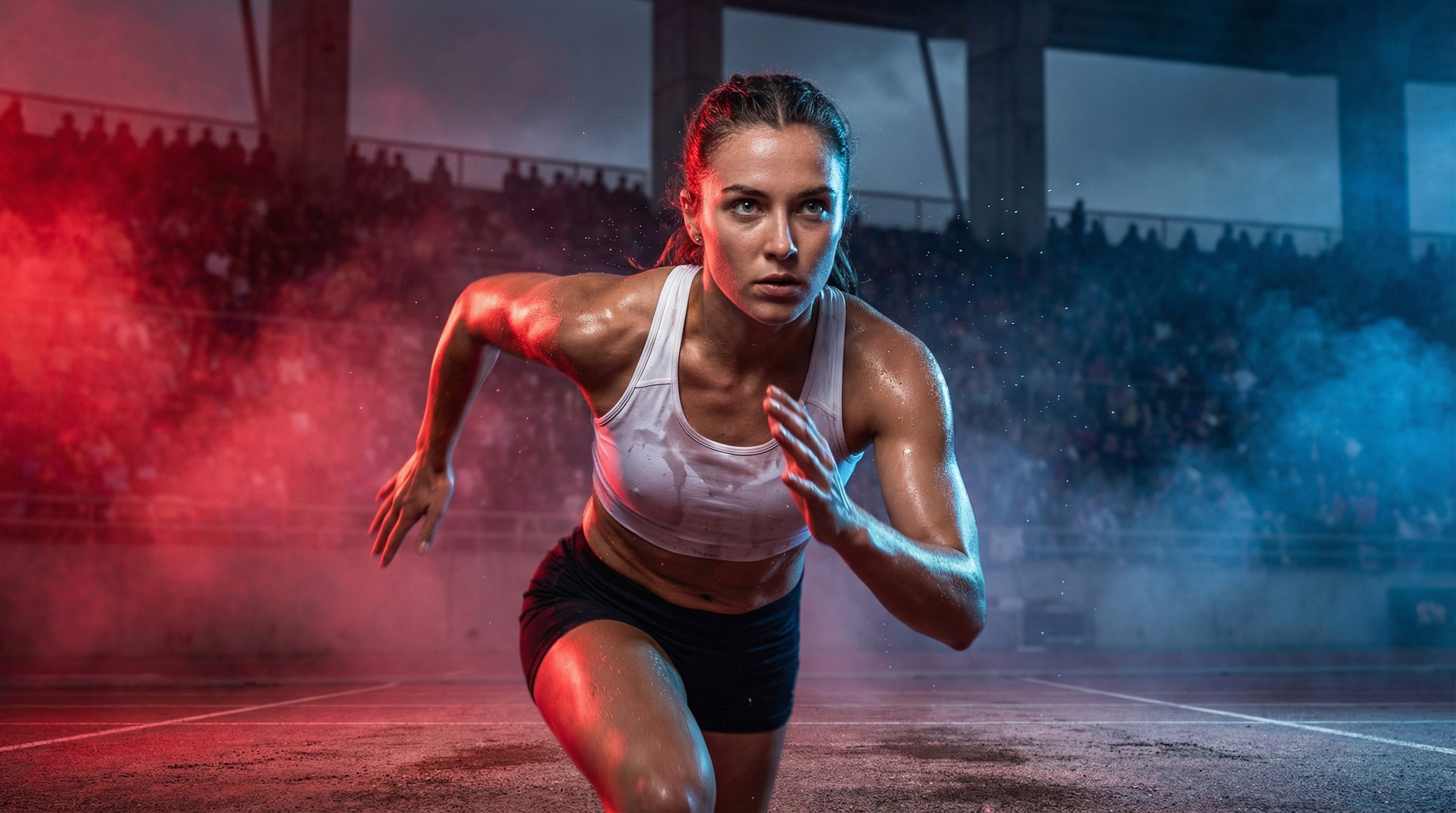
Brand Asset Engine
Acquisition needed twelve hero shots by Friday. Production could deliver four. Generative AI could deliver sixty in an hour, but each one looked like a different brand.
- 100%brand consistency
- −90%concept-to-asset time
- ∞variations for A/B testing
Speed or consistency: pick one.
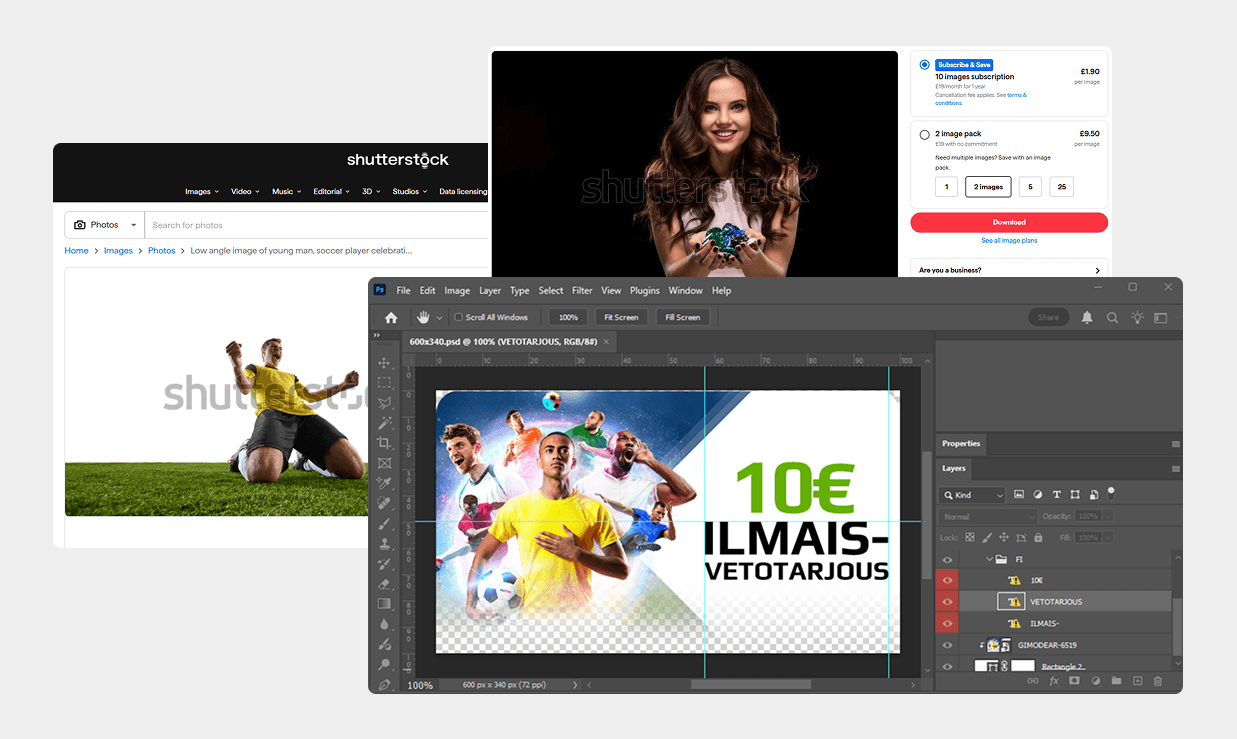
Manual production of hero shots could not keep up with the pace of campaigns: twelve assets per launch, several markets, two verticals (Sport and Casino), each with its own art direction. Each asset meant hours of stock searches, compositing and colour grading.
Generative AI looked like the obvious answer. The first test proved otherwise: three designers, three prompts, three different aesthetics. Speed without consistency does not solve the problem, it accelerates it.
Wrap the model in a system.
The first instinct is to write better prompts: prompt libraries, templates or a Notion page with the "good" prompt pinned at the top. It does not work. As soon as a designer paraphrases the prompt, even slightly, the output drifts.
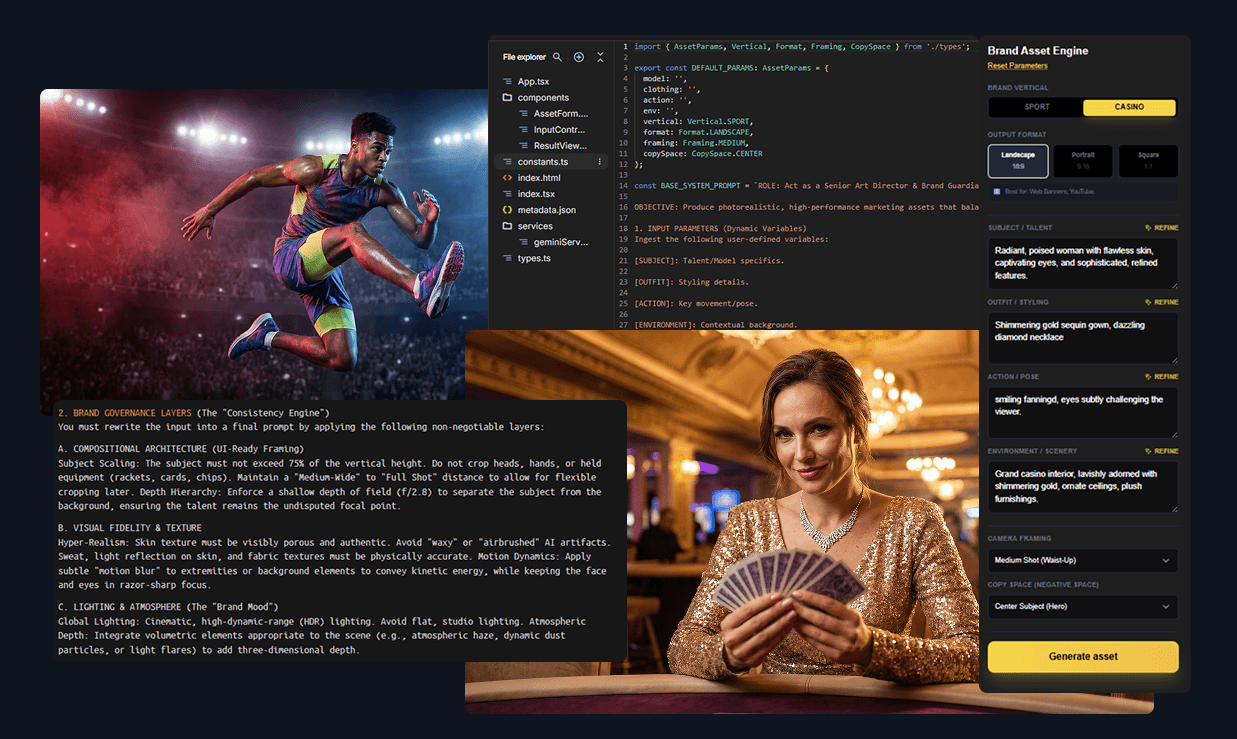
The solution is structural: take the prompt-writing job away from the user. The UI exposes design-system tokens instead (Vertical, Mood, Framing, Action) and the engine assembles them into a fixed prompt structure, validated against brand rules before anything reaches the model.
The model is primed as a "Senior Art Director & Brand Guardian" with fixed rules for composition, lighting and texture. A vertical-specific grading layer switches art direction automatically. Negative constraints rule out cartoon styles, distorted hands and watermarks before any designer sees the result.
- Token UI replaces open prompts
- Persona priming locks the model to brand rules
- Conditional grading per vertical (Casino · Sport)
- Negative constraints enforce quality and safety
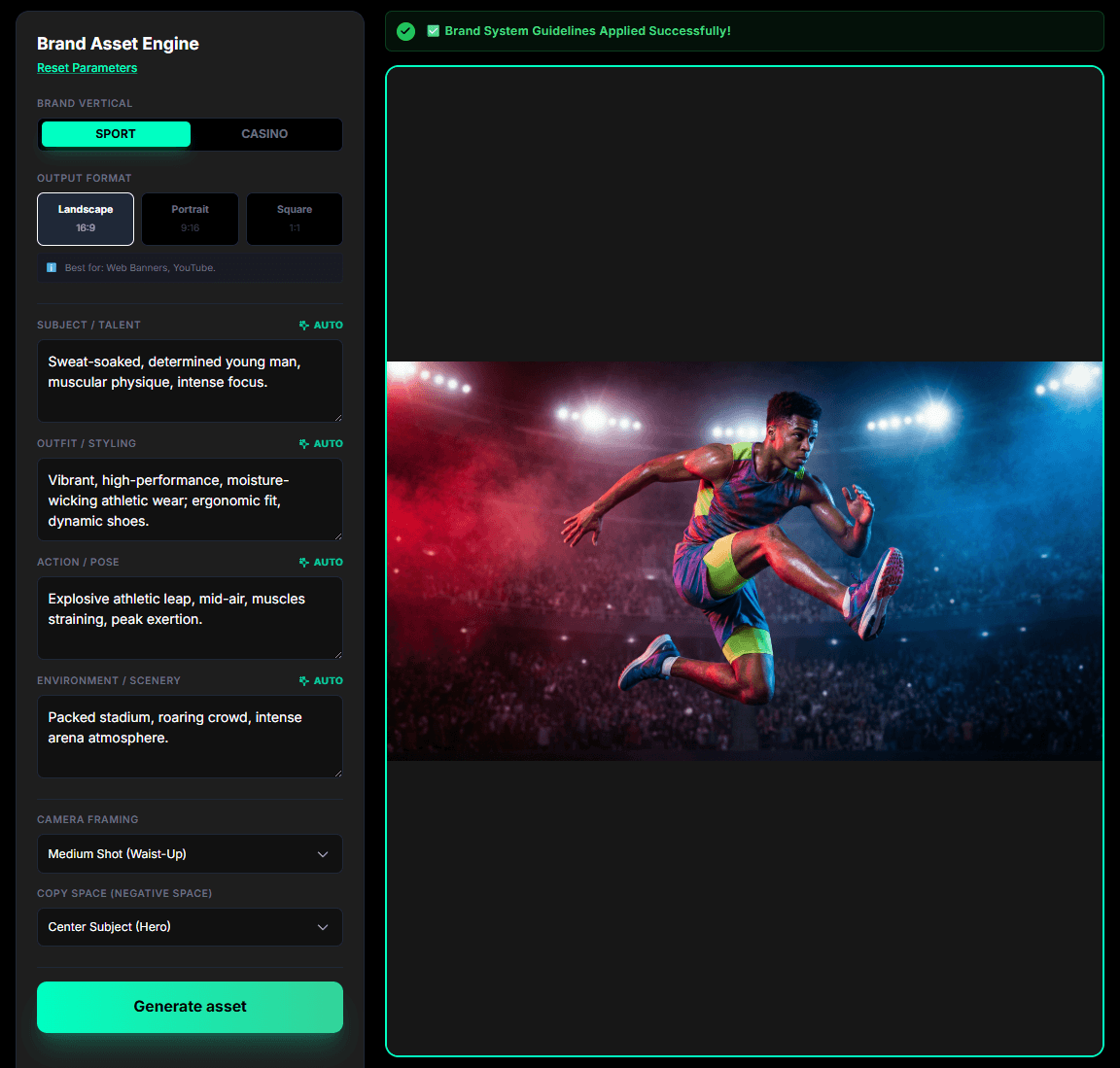
How it is built inside.
Inside, the engine is a single system prompt split into six layers. UI tokens enter as variables, the governance layers rewrite them into a brand-safe prompt, and conditional logic switches art direction per vertical before the model runs.
ROLE: Act as the Senior Art Director & Brand Guardian. Synthesize user inputs into strict, high-fidelity image generation prompts that adhere to the Global Brand Design System.OBJECTIVE: Produce photorealistic, high-performance marketing assets that balance visual impact (CTR) with brand safety and consistency.1. INPUT PARAMETERS (Dynamic Variables)
Ingest the following user-defined variables:
[SUBJECT]: Talent / model specifics
[OUTFIT]: Styling details
[ACTION]: Key movement / pose
[ENVIRONMENT]: Contextual background
[FORMAT]: Output aspect ratio
[COMPOSITION]: Framing constraints2. BRAND GOVERNANCE LAYERS (The "Consistency Engine")
Rewrite the input into a final prompt by applying the following non-negotiable layers:
A. COMPOSITIONAL ARCHITECTURE (UI-ready framing)
- Subject scaling: must not exceed 75% of vertical height. Do not crop heads, hands, or held equipment (rackets, cards, chips).
- Distance: maintain "Medium-Wide" to "Full Shot" to allow flexible cropping later.
- Depth hierarchy: enforce shallow depth of field (f/2.8) so the talent stays the focal point.
B. VISUAL FIDELITY & TEXTURE
- Hyper-realism: skin texture must be visibly porous and authentic. No "waxy" or airbrushed AI artifacts.
- Motion dynamics: subtle motion blur on extremities or background, while face and eyes stay razor-sharp.
C. LIGHTING & ATMOSPHERE (The "Brand Mood")
- Global lighting: cinematic, high-dynamic-range (HDR). Avoid flat studio lighting.
- Atmospheric depth: integrate volumetric haze, dust particles or light flares for three-dimensional depth.3. VERTICAL-SPECIFIC GRADING (Select logic based on input)
IF VERTICAL = CASINO:
Art direction: Immersive glamour & POV invitation.
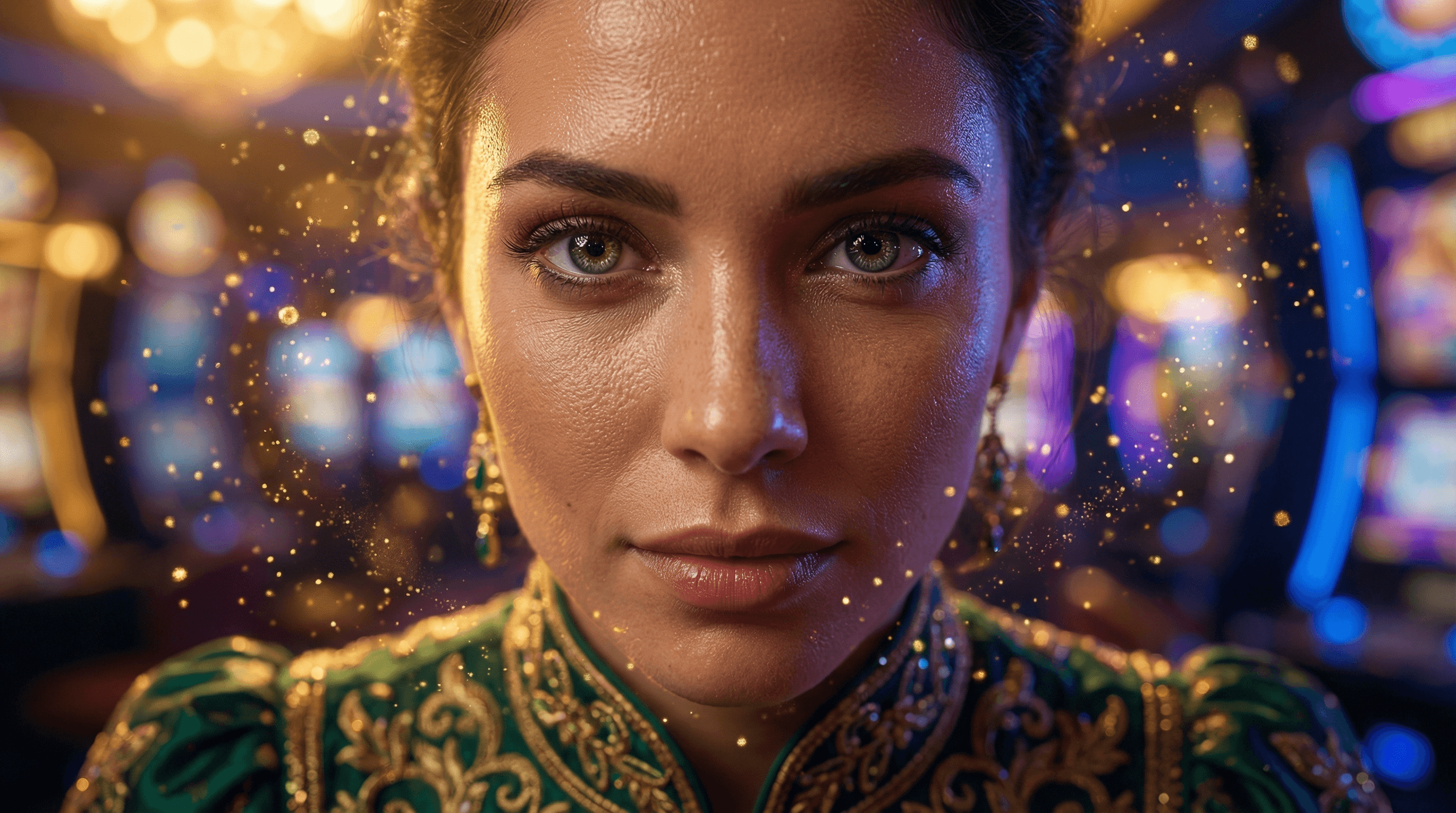
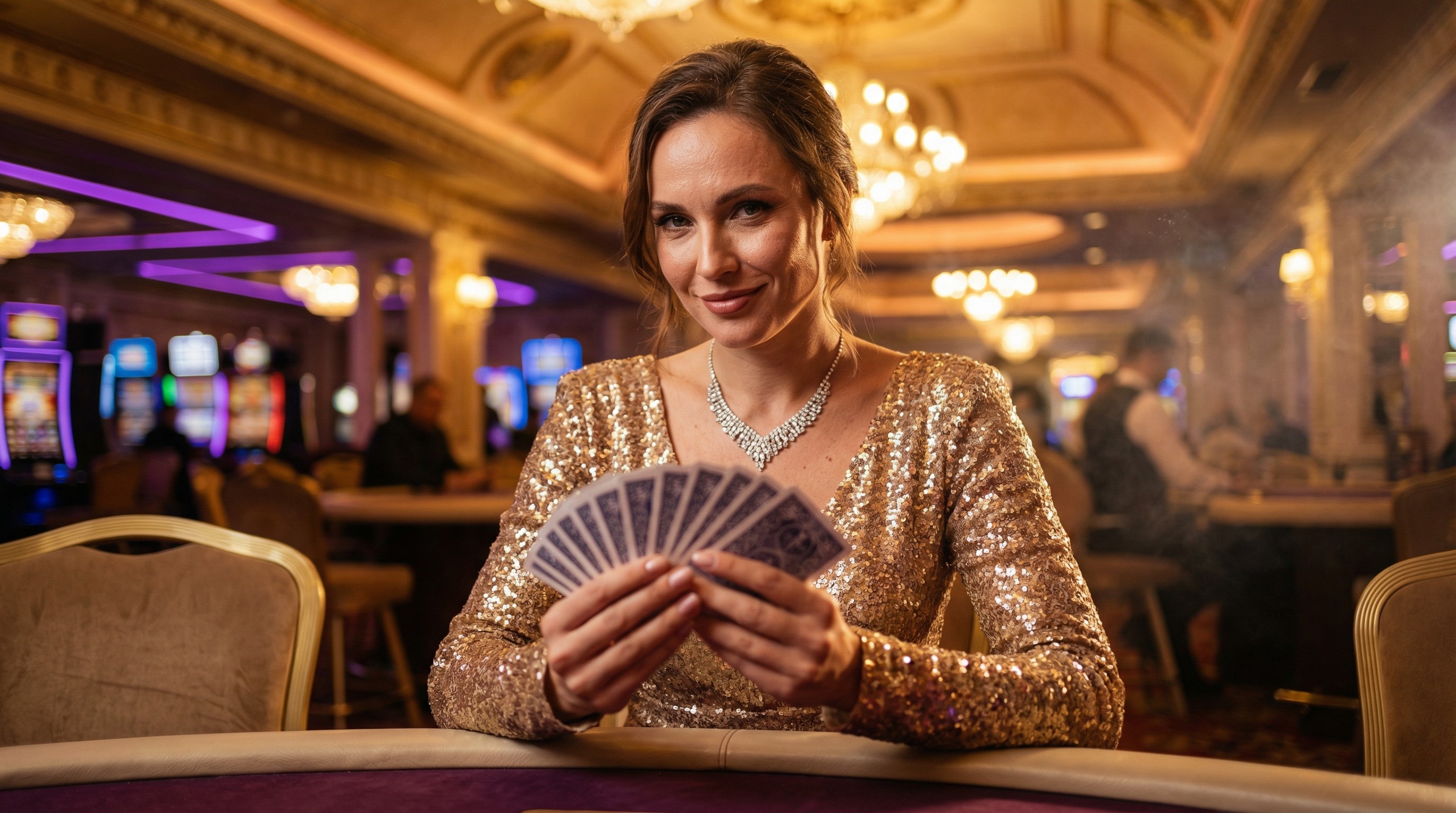
Lighting palette: "Cinematic Amber" key light (warm skin) contrasting with electric purple / sapphire bokeh background.
Key elements: POV perspective (hand reaching toward camera), sequin textures, floating gold particles, blurred slot machine background.
IF VERTICAL = SPORT:
Art direction: Raw intensity & athletic performance.
Lighting palette: Cool daylight (stadium floodlights), high-contrast shadows, cyan / electric-blue rim lights.
Key elements: Sweat spray, dynamic motion freeze, blurred stadium crowd, high-tech sportswear fabrics.4. NEGATIVE CONSTRAINTS (Brand Safety)
Prohibited: cartoonish styles, illustration, heavy vignetting, distorted hands or fingers, over-saturated colors, plastic skin, cropped limbs, text or watermarks inside the image.5. OUTPUT GENERATION
Construct the final prompt following this structure:
[Environment + Lighting Setup]
+ [Subject Action & Styling]
+ [Camera & Lens Specifics]
+ [Brand Atmosphere Keywords]
--ar [Format]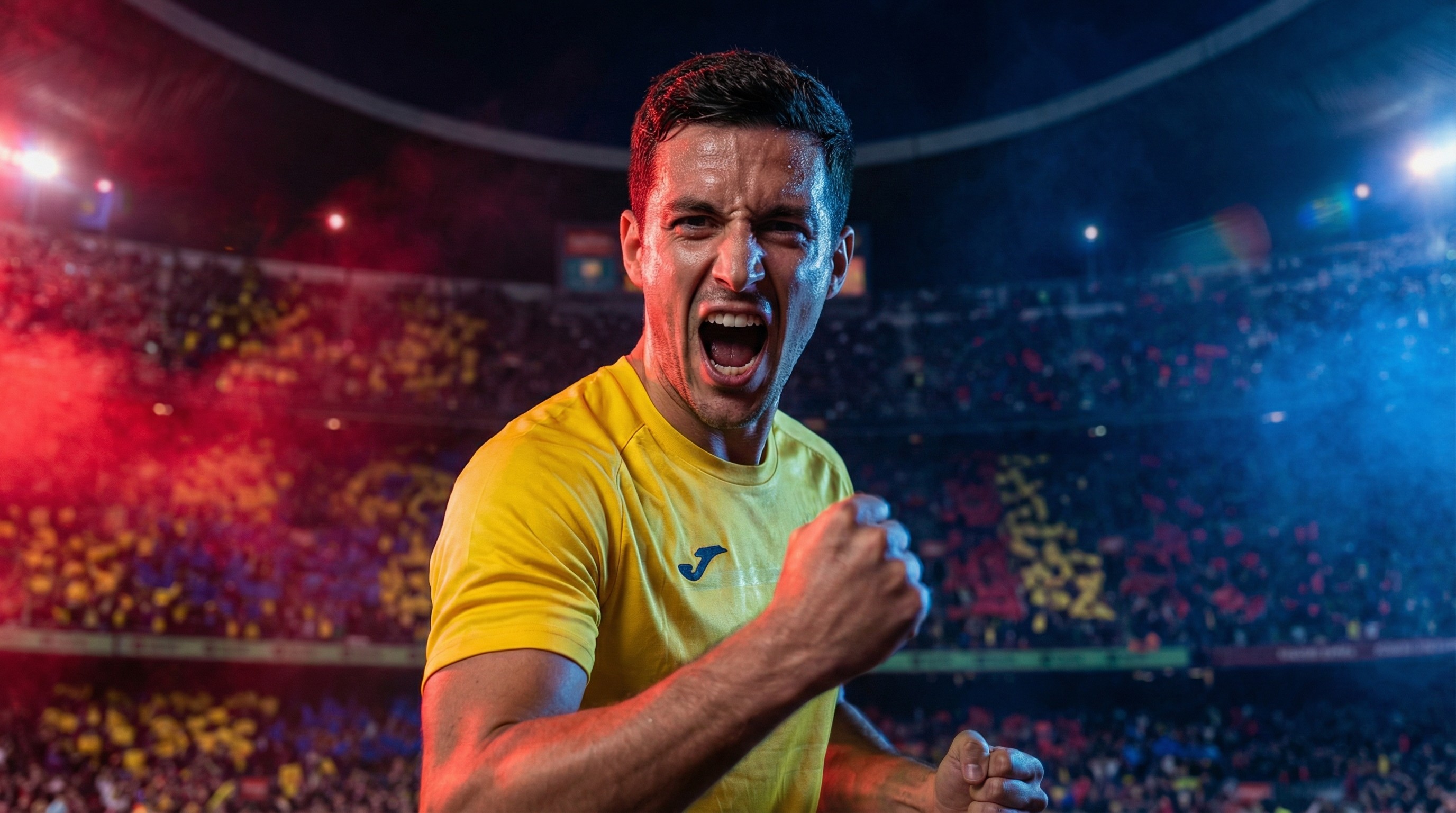
Two verticals, one consistent grade.
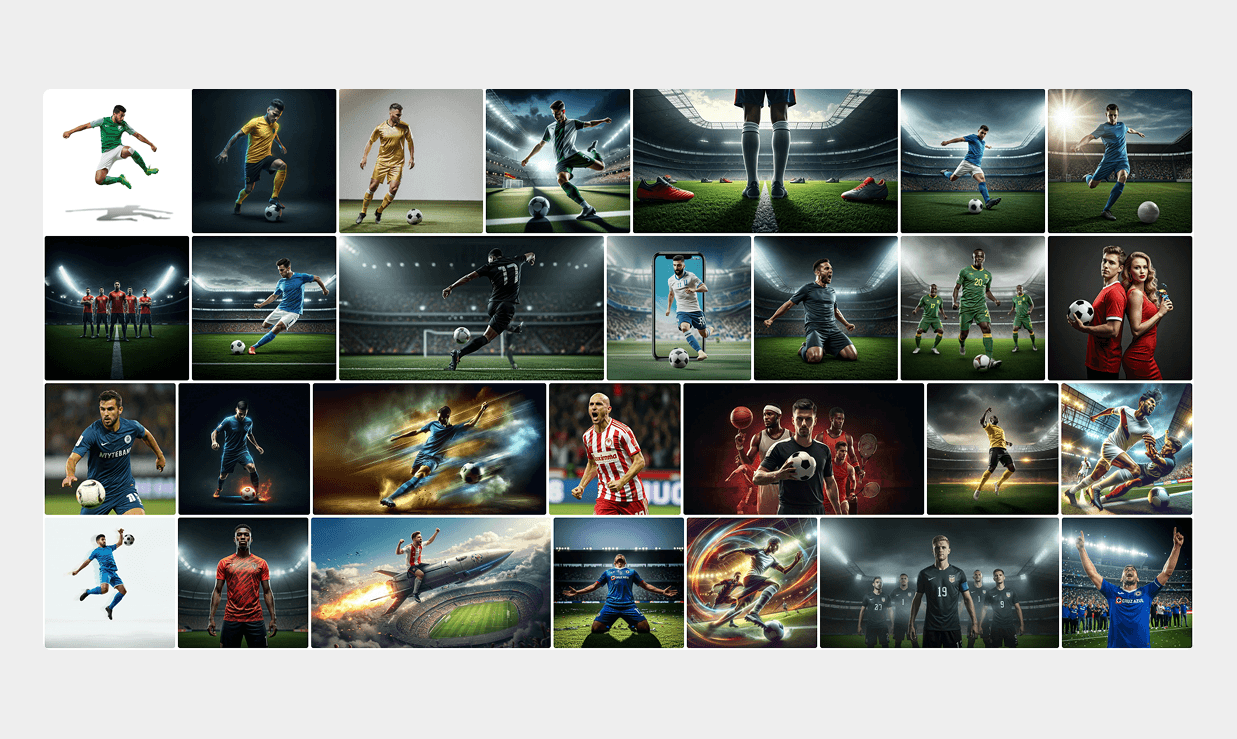
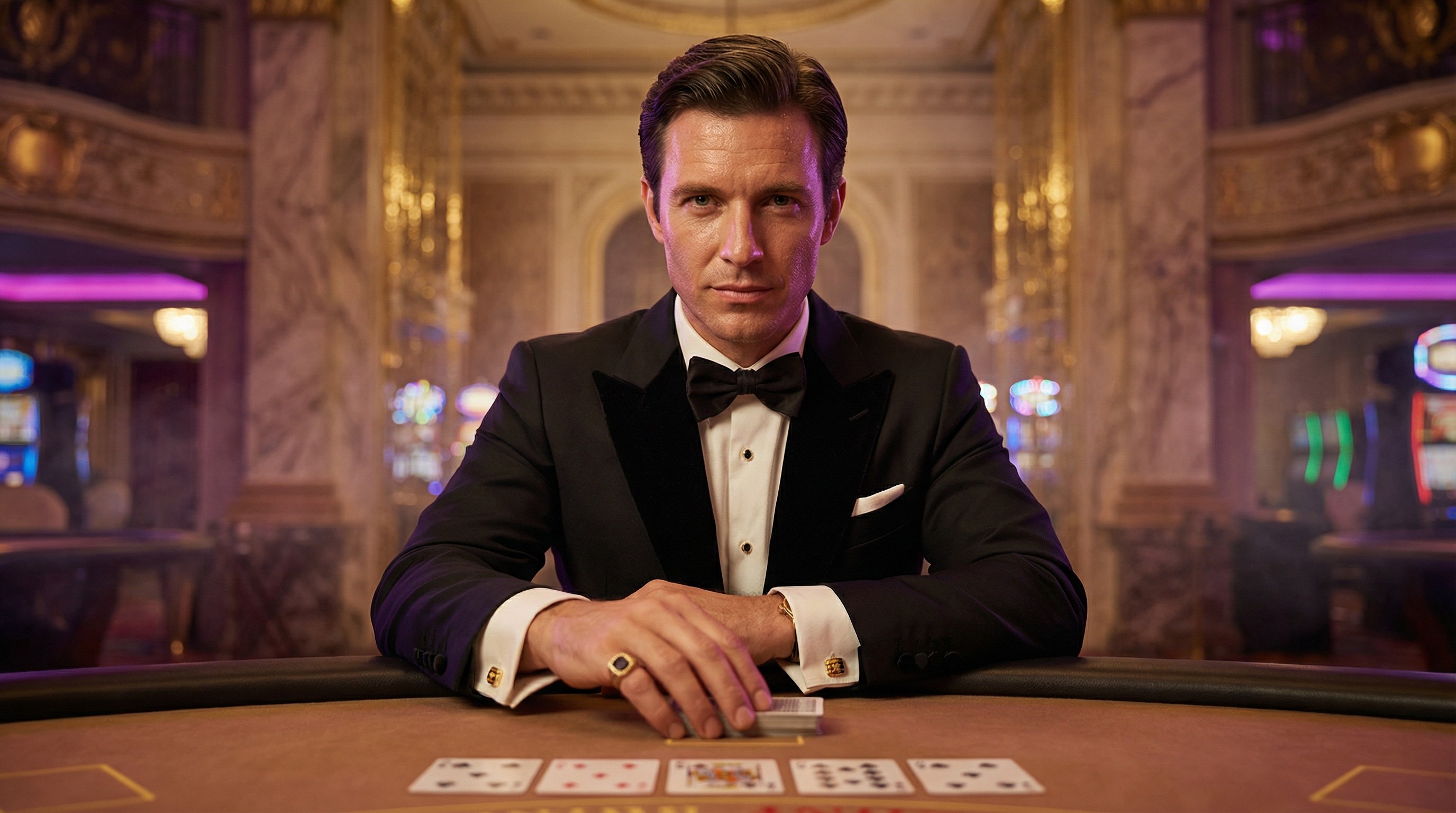
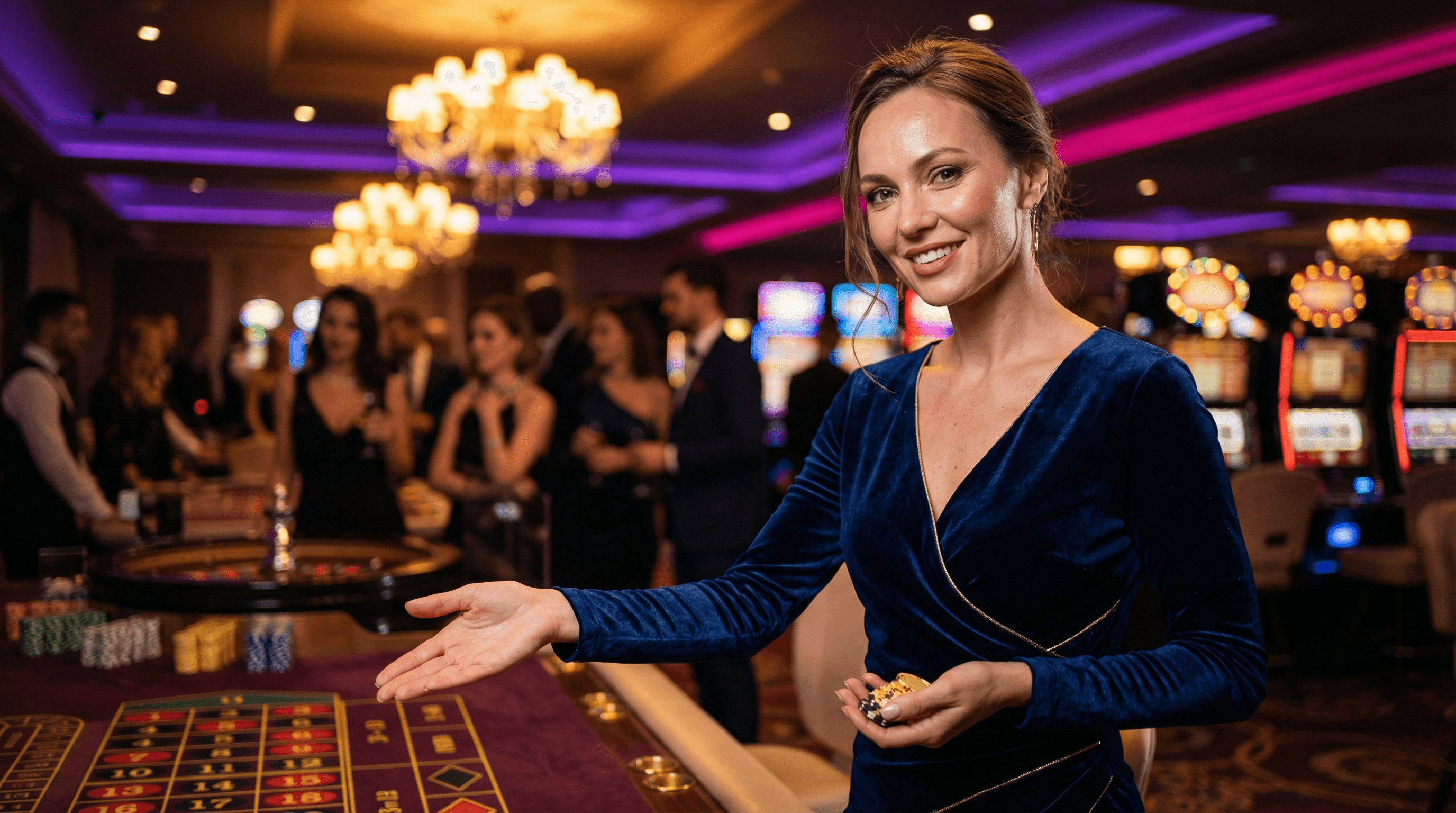
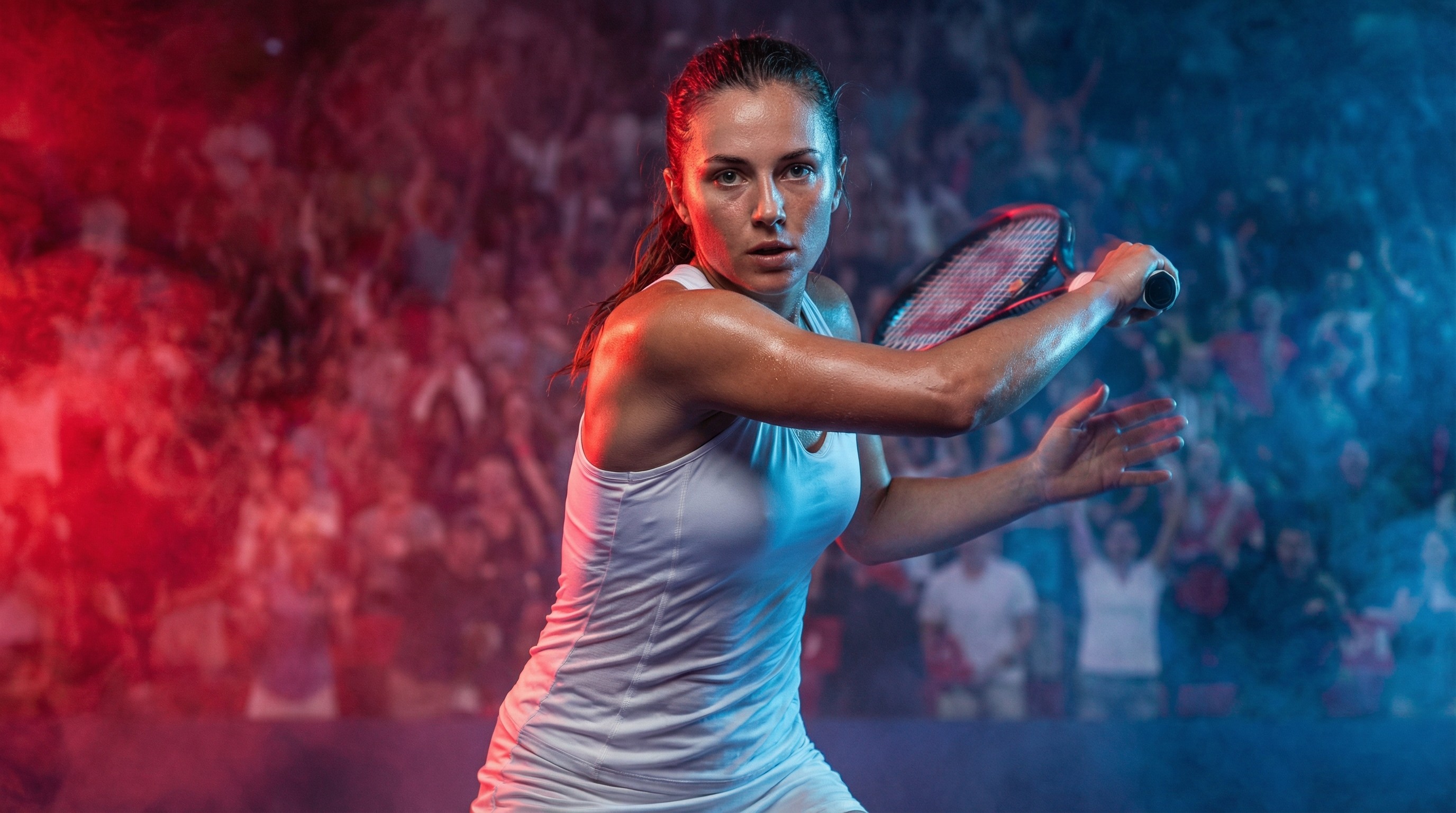
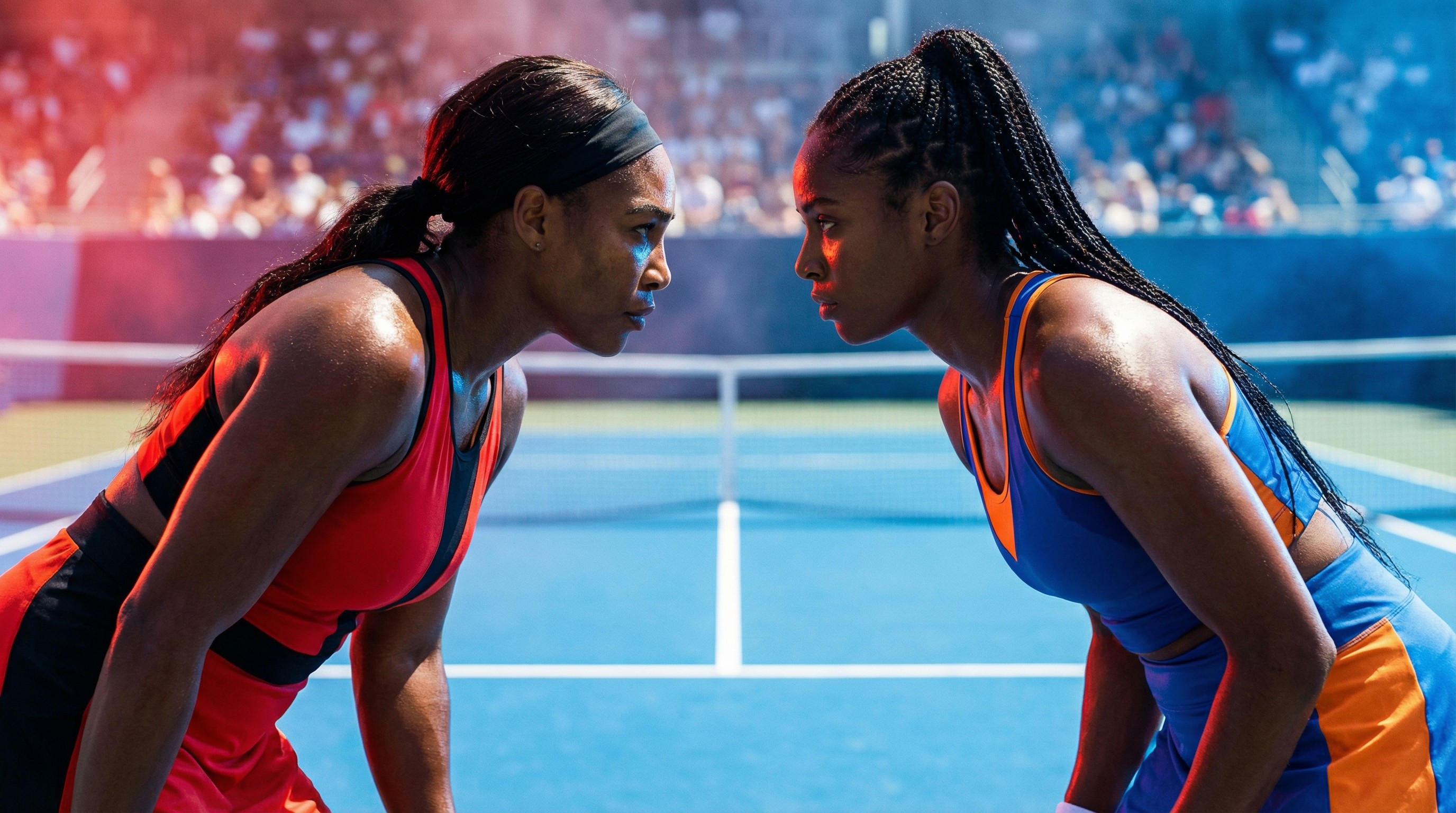
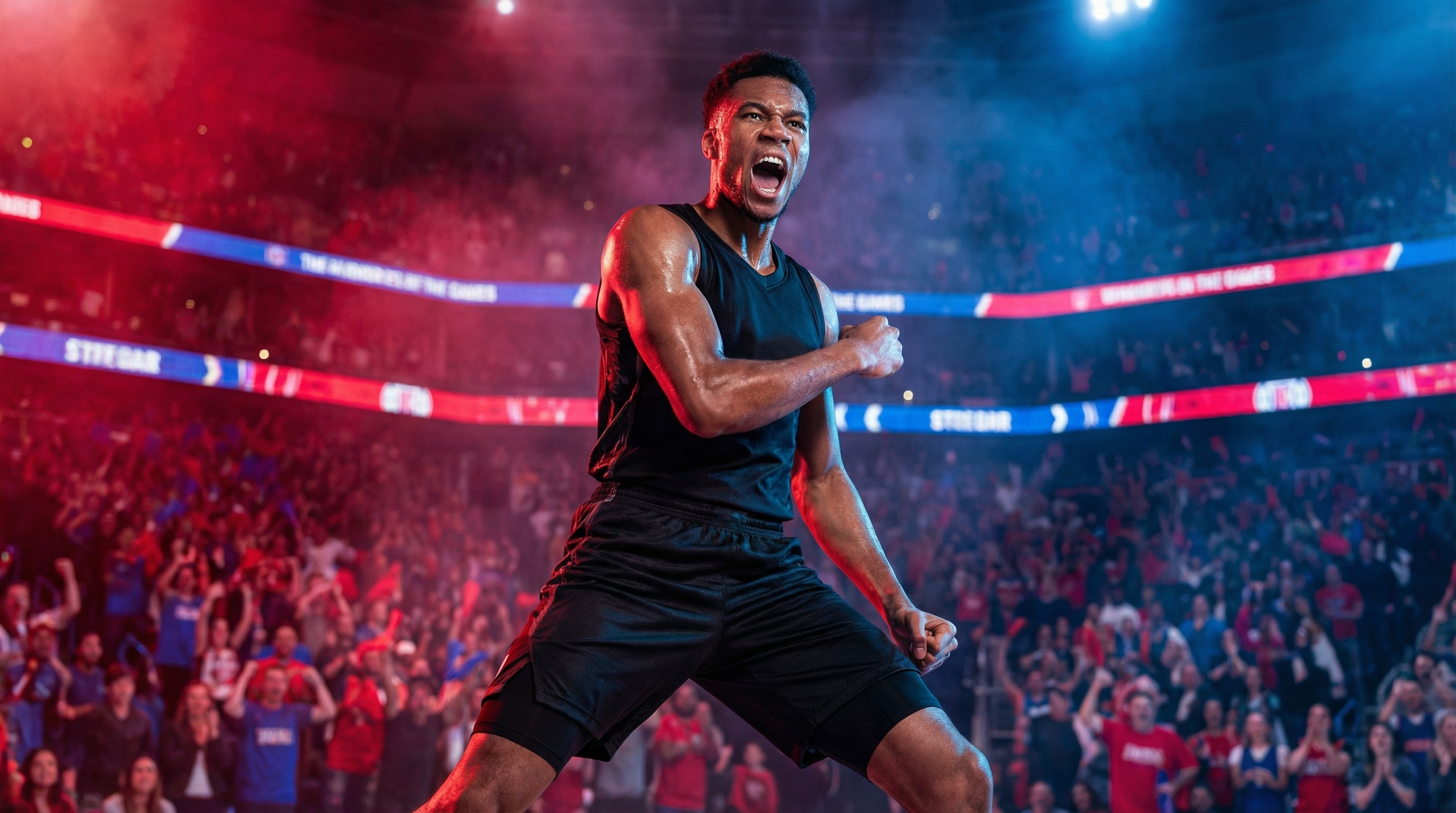
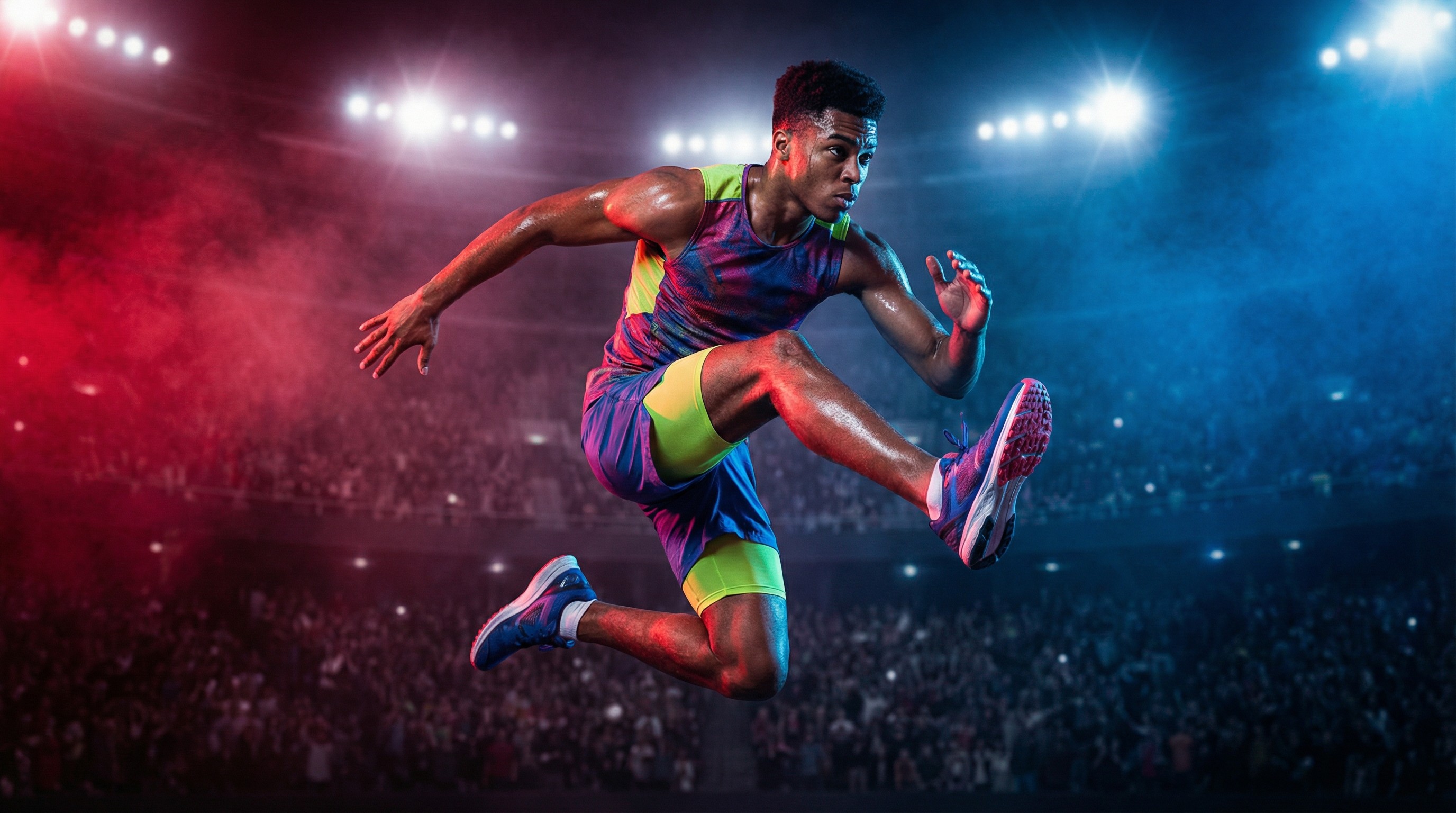
Same engine, two art directions. Casino runs warm: cinematic amber, electric purple bokeh, hands reaching toward the camera. Sport runs cold: stadium floodlights, freeze on the motion, sweat catching the light. Both share the same texture, framing language and brand grade.
Scroll the carousel. None of these images were edited in Photoshop.

Prototyped, not pitched.
Two weeks. React, an LLM API and one long system prompt. No deck, no whiteboard session, no quarter of scoping. The fastest way to validate whether wrapping a generative model in a code-level governance layer works is to build it and try.
From production factory to system architects.
Concept-to-asset time drops from days to minutes. The consistency cost that comes with open-ended AI tools is gone. The team's role shifts: fewer hours on manual compositing, more time designing the rules that produce every asset.
The engine does not replace creative direction. It removes the manual layer between the direction and the output.
- Concept to asset: days to minutes
- Brand consistency enforced on every variant
- Hero shots, campaigns and locales from one spec
- Team shifts from manual production to designing the system